
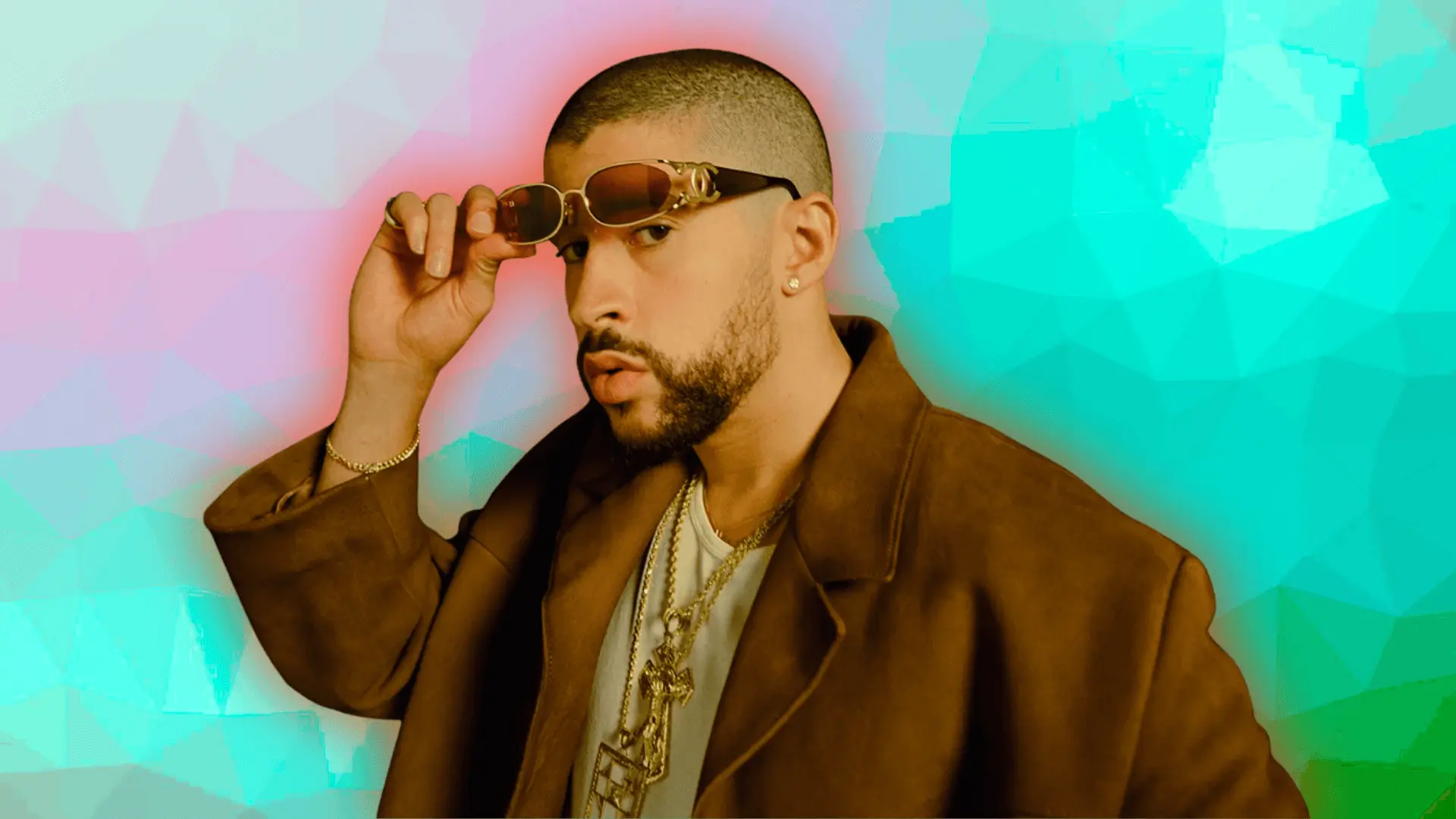
Bad Bunny is not just a musician; he is a cultural phenomenon who has transformed Latin music into a global powerhouse. Born Benito Antonio Martínez Ocasio, Bad Bunny has broken language barriers, challenged gender norms, and redefined what it means to be a modern pop star. With his unique sound, bold fashion choices, and unapologetic authenticity, he has become one of the most influential artists of the 21st century.
Early Life and Background
Bad Bunny was born on March 10, 1994, in Vega Baja, Puerto Rico. Raised in a working-class family, Benito grew up listening to salsa, merengue, and reggaeton, which deeply influenced his musical style. Before fame, he worked as a bagger at a grocery store while uploading music to SoundCloud. His humble beginnings play a crucial role in shaping his lyrics, which often reflect real-life struggles, love, heartbreak, and social issues.
His life changed dramatically when his song “Diles” caught the attention of DJ Luian, a major figure in the Latin music industry. This discovery marked the start of Bad Bunny’s rapid rise to international stardom.
Breakthrough and Rise to Fame
Bad Bunny’s breakthrough came between 2016 and 2017, when he collaborated with major Latin artists such as J Balvin, Ozuna, and Cardi B. His feature on “I Like It” helped him reach mainstream audiences worldwide. Unlike many artists who follow trends, Bad Bunny created his own lane by blending trap, reggaeton, Latin pop, and alternative sounds.
His debut album “X 100PRE” (2018) was both a critical and commercial success. The album showcased his versatility, emotional depth, and willingness to experiment with music. Songs like “Estamos Bien” and “MIA” became instant hits.
Musical Style and Innovation

What makes Bad Bunny stand out is his fearless approach to music. He refuses to be boxed into a single genre. His sound mixes reggaeton beats with Latin trap, rock, punk, and even traditional Latin rhythms. This experimental nature keeps his music fresh and unpredictable.
Lyrically, Bad Bunny is known for his honesty. He openly talks about mental health, relationships, heartbreak, fame, and self-identity. His album “YHLQMDLG” (2020) became a defining moment in Latin music history, proving that Spanish-language albums could dominate global charts without compromise. Bad Bunny
Record-Breaking Success
Bad Bunny has achieved milestones that few artists—Latin or otherwise—have reached. He became the most-streamed artist on Spotify globally for multiple consecutive years, a historic achievement. His album “El Último Tour Del Mundo” made history as the first all-Spanish album to debut at number one on the Billboard 200 chart.
His concerts sell out within minutes, and his tours generate hundreds of millions of dollars, making him one of the highest-grossing touring artists in the world.
Fashion, Identity, and Cultural Impact
Beyond music, Bad Bunny is a fashion icon and cultural disruptor. He challenges traditional masculinity by wearing nail polish, skirts, and gender-fluid outfits. His message is clear: self-expression has no rules.
He has collaborated with major fashion brands and frequently appears at high-profile events like the Met Gala, where he represents Latin culture with pride. Bad Bunny’s confidence inspires millions of fans to embrace their true selves without fear of judgment.
Acting and Business Ventures
Bad Bunny has also expanded into acting, appearing in films and TV series, including major Hollywood productions. His natural charisma and screen presence have earned praise from critics and audiences alike.
In addition, he has ventured into professional wrestling, business partnerships, and brand endorsements, proving his versatility as an entertainer and entrepreneur.
Social and Political Voice
Bad Bunny consistently uses his platform to speak out on social and political issues, especially those affecting Puerto Rico. He has openly criticized government corruption, supported social justice movements, and advocated for marginalized communities. This activism strengthens his connection with fans who see him as more than just an entertainer.
Legacy and Influence
Bad Bunny’s influence goes far beyond charts and awards. He has opened doors for future Latin artists and reshaped the global music industry’s perception of Spanish-language music. His success proves that authenticity, creativity, and cultural pride can lead to worldwide recognition.
As Bad Bunny continues to evolve, one thing remains certain: he is not following history—he is making it.
Conclusion
Bad Bunny is a once-in-a-generation artist whose impact will be felt for decades. From a grocery store worker in Puerto Rico to a global superstar, his journey is a testament to talent, perseverance, and staying true to oneself. Whether through music, fashion, or activism, Bad Bunny continues to redefine what it means to be a global icon in today’s world.